
How to Get Court Records
Start with Search ARCourts. Look up a participant name or a clerk-issued case number, then jot down the court, the filing date, and the entry title. Click any public document link that shows up. When no link appears, the image is simply not offered through that display.
- Identify whether the matter is in Circuit Court, District Court, or the county and probate channel.
- Record the exact case number, caption, document title, and filing or order date.
- View available case information online or ask the clerk whether a public terminal or paper file is available in person.
- Call the proper clerk for availability, page count, current cost, accepted payment, and turnaround.
- Confirm whether the office accepts the request by mail or fax and whether it can return the copy by mail, email, or pickup.
- State whether a plain copy or a certified copy is required.
Phone numbers are short cuts. The Circuit Clerk answers at 870-295-7710. Faxes go to 870-295-7712. The District Court Clerk is at 870-295-7730, and county and probate routing runs through 870-295-7715 or fax 870-295-7783. Mail goes to the right clerk at 15 East Chestnut Street, Marianna, AR 72360. Call first for instructions.
Lee County Court Record Custodians
One courthouse does not mean one record counter. Millie A. Hill is the Lee County Circuit Clerk. Her office sits in Room 2. She holds circuit civil, criminal, domestic-relations, and juvenile case files. District Court Clerk Pat Carlow appears in the First Circuit district directory. From room 9, Carlow keeps Marianna Department traffic, misdemeanor, district civil, and small-claims records.
Pam Webb is listed separately as County and Probate Clerk. Arkansas Circuit Court has its own probate division. Yet the local directory uses that separate title. So describe the probate item you need. Ask which office holds it before sending any money.
Lee County Circuit Clerk
Room 2, 15 East Chestnut Street
Marianna, AR 72360
870-295-7710
22nd State District Court Clerk
Room 9, 15 East Chestnut Street
Marianna, AR 72360
870-295-7730
Types of Court Records
Picking the right category helps a clerk route a Lee County court records request quickly. What the public can see turns on the document itself, the case type, redaction rules, and any sealing order.
- Docket or case-information sheets that index filings and events
- Complaints, petitions, answers, motions, notices, and other filed papers
- Signed orders, judgments, dispositions, and sentencing records
- Public circuit criminal, civil, domestic-relations, and probate material
- District traffic, misdemeanor, civil, and small-claims records
- Certified copies authenticated by the clerk who keeps the original
A verbatim transcript is a different animal. Ask the court reporter assigned to that judge and proceeding, not the clerk's copy desk.
Three Lee County Court Record Layers
Three layers serve three needs. The docket is the dated index of a case. The filed document is the complaint, motion, order, or judgment behind each entry. Certification is the clerk's stamp of authentication on a copy.
| Record Layer | What It Provides | Where to Start |
|---|---|---|
| Docket or case information | Case header, parties, filings, events, future settings, and outcomes | Search ARCourts |
| Filed document | The actual text and attachments accepted into the file | Portal link when present, then the clerk |
| Certified copy | Clerk-authenticated reproduction | The custodian of the original Lee County court record |
A browser printout can never pass as certified, no matter how it looks. If you need an authenticated copy, ask for certification when you place the request.
What a Court Record Contains
What sits inside a Lee County court record depends on the case and on what can be released. Search ARCourts usually gives the index-level view. The clerk's file holds the papers the court accepted. Copy case numbers straight from court material, since the county publishes no single Lee number format.
| Case Header | Exact clerk-issued case number, court, type or description, status, and judge when populated |
|---|---|
| Participants | Party names and roles, plus organization or counsel data when entered |
| Chronology | Dated filings, events, notices, settings, and other docket entries |
| Pleadings | Complaints, petitions, motions, answers, or related public papers |
| Orders and Judgments | Signed rulings, dispositions, sentences, or final decisions |
| Public Attachments | Document images linked online or supplied by the clerk when open |
| Redactions | Protected identifiers and confidential content removed from the public copy |
eFlex and Lee County Court Records
Arkansas eFlex is the electronic filing and service workspace for filers, not a public repository of every Lee County court record. The official login page marks that separate role plainly.
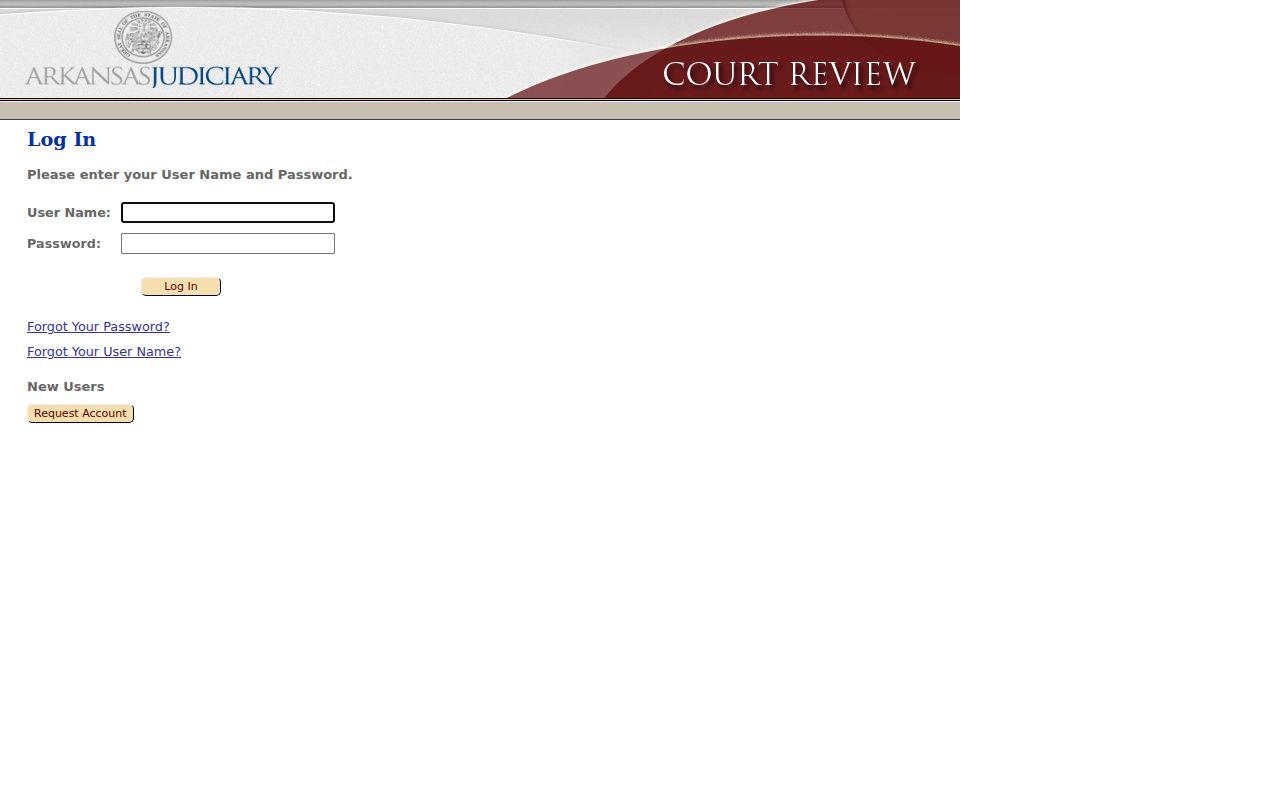
Registration exists to serve filers. Public readers should start with Search ARCourts and then ask the proper Lee County clerk for anything unavailable there. The Arkansas Judiciary's eFlex filing instructions lay out how approved users register and submit papers.
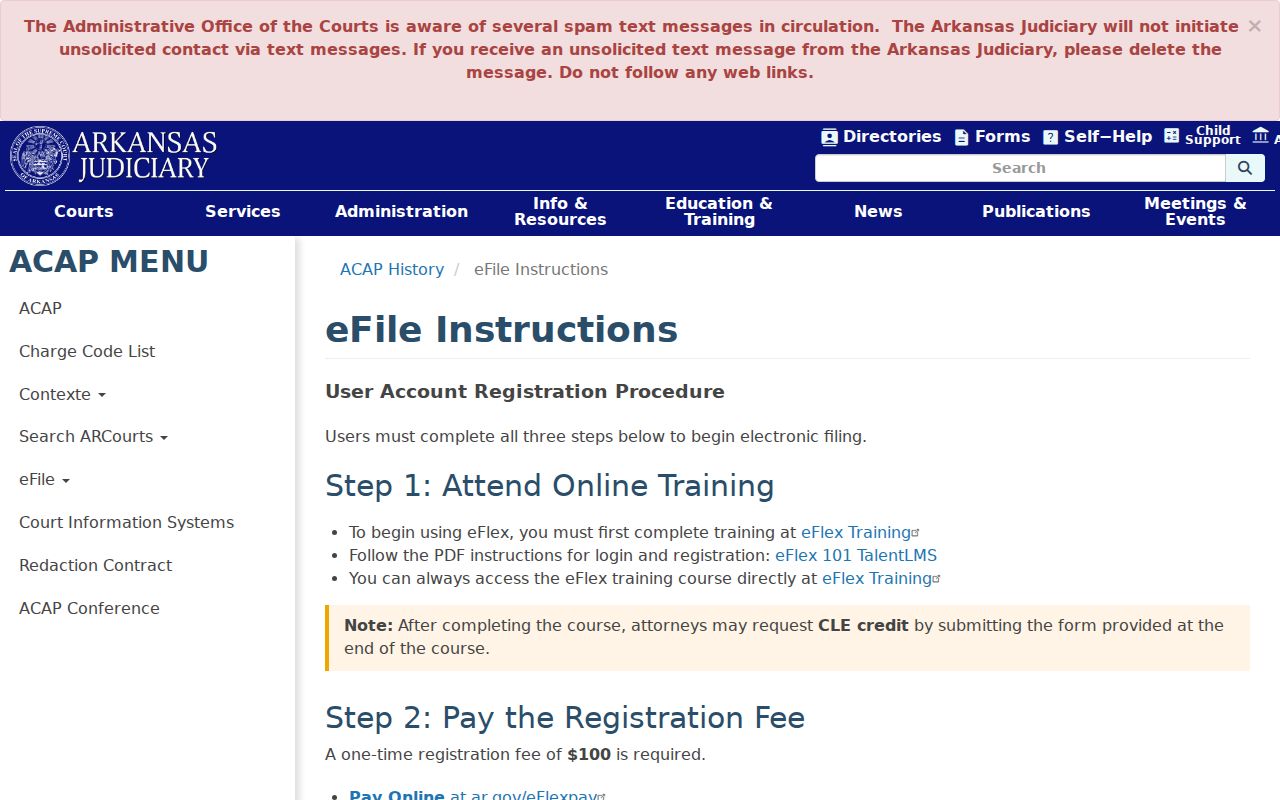
That filing path does not replace the clerk's copy service. Nor does it open every image to an unregistered visitor.
Lee County Court Record Access Limits
The official eFlex access FAQ spells out the limits. With a county and case number, a user can view a summary. Remote access to filed documents generally goes only to counsel of record or participating parties.
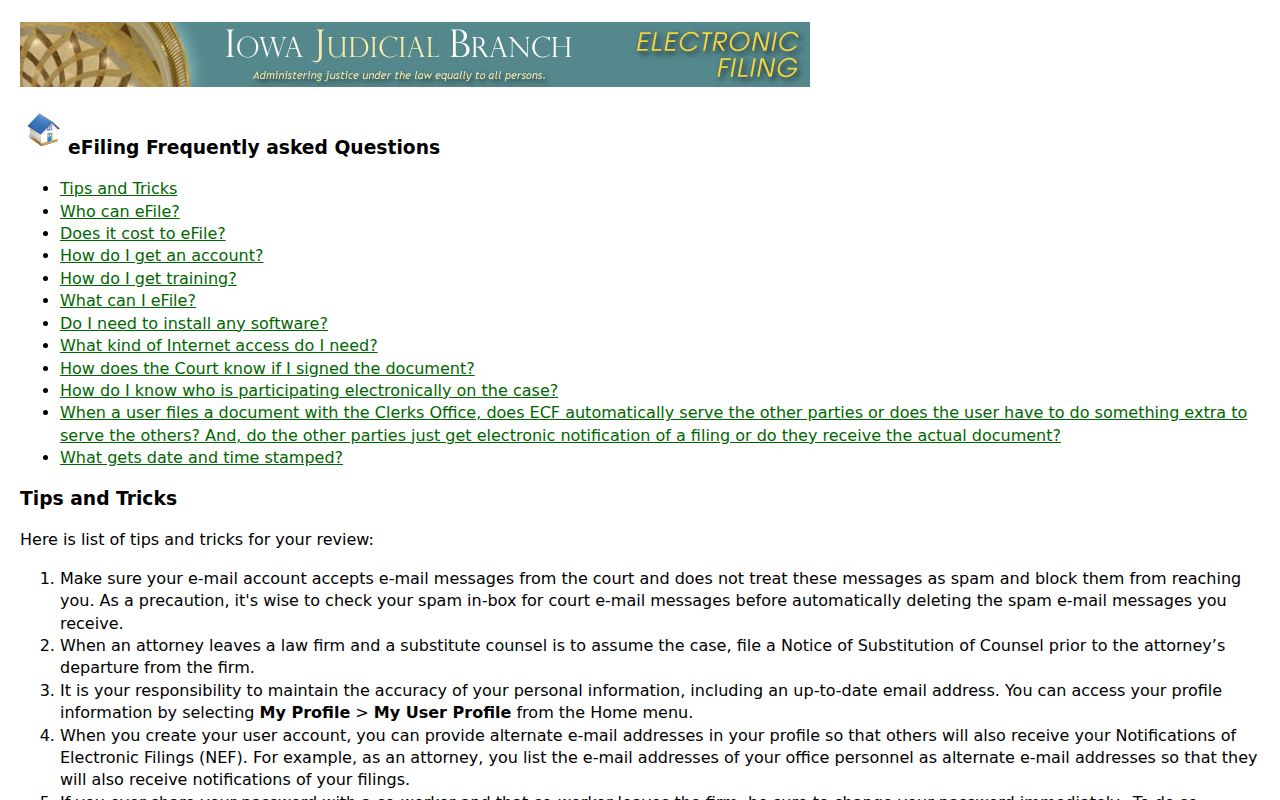
For everyone else, a listed filing with no open image is a cue to call the office that holds it. It is not proof of sealing or of a missing document.
Certified Copies and Fees
No official Lee County page posts a plain-copy price, certification charge, record-search fee, payment list, or turnaround time. That gap is real. Call before you mail a check or drive over, and give the clerk enough detail to pin down the exact paper and quote a current total.
| Item | Verified Amount |
|---|---|
| Read public Search ARCourts case information | $0 |
| View a linked public portal document | $0 when a link is available |
| Plain circuit-court copy | Not published; call 870-295-7710 |
| Certified circuit-court copy | Not published; call 870-295-7710 |
| District record or certified disposition | Not published; call 870-295-7730 |
| Clerk search or retrieval | Not published; ask the custodian |
Watch for confusion here. The $100 eFlex registration charge and $20 new-case electronic filing surcharge are filer costs, not Lee County public copy fees.
Mailing Lee County Court Record Requests
Lee County publishes no local copy-request form. Before mailing anything, call the right office. Ask about its current form, payment method, return envelope, delivery options, page count, and timing. A strong written request names the requester, the court, the exact case number, the caption, and the document title. Include the filing or order date, and say whether you want a plain or certified copy.
Add the number of copies and your preferred delivery method. Note a maximum approved cost, phone or email, mailing address, signature, and the date. Skip confidential identifiers in ordinary email unless the clerk offers a secure method. Fax only after the office confirms it accepts the request and explains how payment works.
Older Lee County Court Records
The official courthouse history follows the building through an 1890 courthouse. Later came a 1939 PWA expansion. A 1965 courtroom and County Clerk wing followed that. So Lee County court records can go back many decades past anything online.
No official source names a digitization cutoff, storage site, microfilm rule, or destruction event. Ask whether an older file sits in a bound book, a scanned store, microfilm, or an off-site archive. Also ask how long retrieval takes. A fruitless web search never rules out an older Lee County court record.
Lee County Court Record Data Requests
The AOC route is built for bulk compiled data. It is not for a single Lee County judgment. Anyone using it should expect paperwork. That means a stated purpose, affidavits, and a license agreement. Extra controls apply whenever the request touches excluded or individually identifiable compiled information. For one case record, the clerk of court is the simpler stop. The AOC data-request page lays out the requirements for this specialized channel.
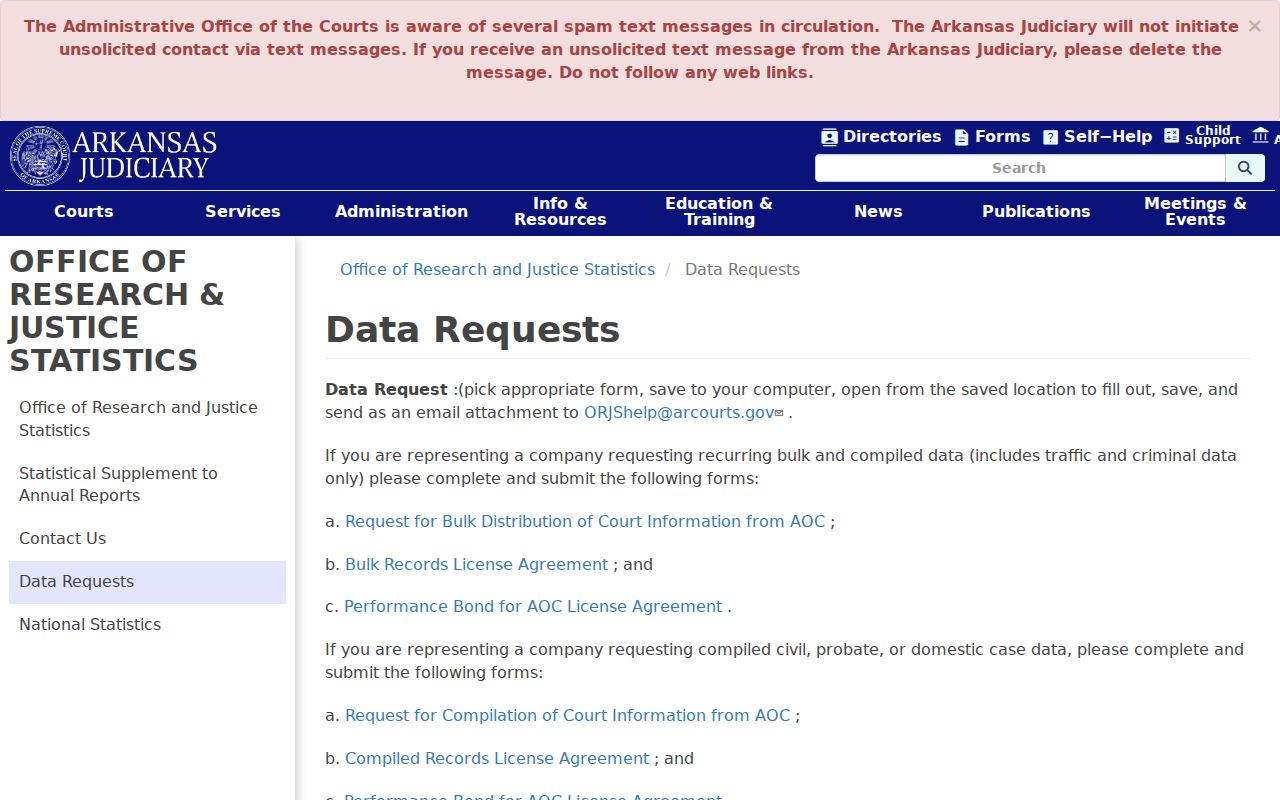
For one Lee County case file, the circuit clerk is the right stop. The AOC process fits only a genuine compiled-data request under Administrative Order 19.
Lee County Court Record Transcripts
A docket entry can confirm a hearing took place. It is not a transcript. For word-for-word proceedings, contact the court reporter assigned to that judge and that event. Ask early about availability, preparation time, and cost. Lee County publishes no local transcript fee schedule, so figures come from the reporter directly.
One local wrinkle matters. The 22nd District administrative plan does not use compliant digital audio recording for referred circuit matters and turns down referrals that require live testimony. That is why the assigned judge, the reporter, and the type of proceeding all shape where the spoken record lives.
Public Access and Sealed Records
Arkansas leans toward openness. Arkansas Supreme Court Administrative Order 19 generally permits access to court records. It withholds confidential information. Order 19.1 handles redaction. Social Security numbers, protected financial identifiers, and juvenile information may be removed or kept back. The same goes for sealed matters, adoption material, and anything else made confidential by law, rule, or court order.
The Arkansas Freedom of Information Act covers many agency records. But judiciary rules govern court case files first. Send an ordinary Lee County case-document request to the proper court clerk. If access is denied, ask which rule or order blocks it. Then ask how to seek authorized access.
Key rules:
Administrative Order 19 sets the public-access framework and its exclusions for Arkansas court records.
Administrative Order 19.1 requires confidential data to be separated or redacted from public versions.
Ark. Code Ann. § 16-90-1401 et seq. provides the court process for eligible criminal record sealing.